The role of storage in home renovation projects
The role of storage in home renovation projects

Storage is the single most overlooked factor in a successful home renovation. While homeowners focus on tiles, paint colours, and contractor quotes, the question of where belongings go during the work is often left to the last minute. That oversight costs money, causes damage, and slows projects down. The role of storage in home renovation is to protect your possessions, clear the workspace for contractors, and give you a liveable base while the chaos unfolds around you. Get it right from the start, and the entire renovation runs more smoothly.
What makes storage essential during home renovations?
Storage is not a convenience during a renovation. It is a practical requirement that directly affects how quickly and safely the work gets done. Construction dust settles on fabrics and electronics , and on-site covers rarely prevent it from penetrating upholstery, speaker grilles, or laptop vents. The damage is often invisible until the project ends, by which point replacement or repair costs have already mounted.
Beyond dust, there is the physical risk of items being knocked, splashed with paint, or simply broken underfoot. Contractors moving materials through a cluttered hallway are working around your belongings, not with a clear path. Proper storage creates clear access , and that clarity is cited consistently as a factor in renovation efficiency. Builders work faster and more safely when the space is free of obstacles, which directly reduces labour hours and costs.

The importance of storage in renovation also extends to your own stress levels. Living in a house where every surface is covered in boxed-up belongings, and where you cannot find your kettle or a clean towel, is genuinely exhausting. Planning storage early removes that pressure.
Key risks when storage is not planned properly:
- Dust damage to electronics, soft furnishings, and artwork
- Accidental breakage from foot traffic and material movement
- Contractor delays caused by cluttered work zones
- Increased labour costs from slower progress
- Homeowner stress from disorganised daily living
Pro Tip: Set up your storage about a week before contractors arrive. This gives you time to pack carefully rather than rushing items into boxes the night before demolition starts.
Which storage solutions best suit home renovation needs?
Not all storage options are equal, and the right choice depends on the scale of your renovation, how long it will run, and what you need to protect. The four main options are off-site self-storage, portable containers, on-site storage within the property, and using a spare room or a friend's space.
| Storage option | Best for | Key advantage | Main limitation |
|---|---|---|---|
| Off-site self-storage | Long projects, sensitive items | Dust-free, secure, climate-controlled | Requires transport; less convenient for daily access |
| Portable storage containers | Medium projects with outdoor space | Delivered to your door; flexible | Exposed to temperature swings; not always secure |
| On-site storage (spare room, garage) | Short projects, low-value items | No transport needed; easy access | Dust migrates; space is limited |
| Friend or family space | Budget-conscious homeowners | Free; flexible | Inconvenient; limited capacity |
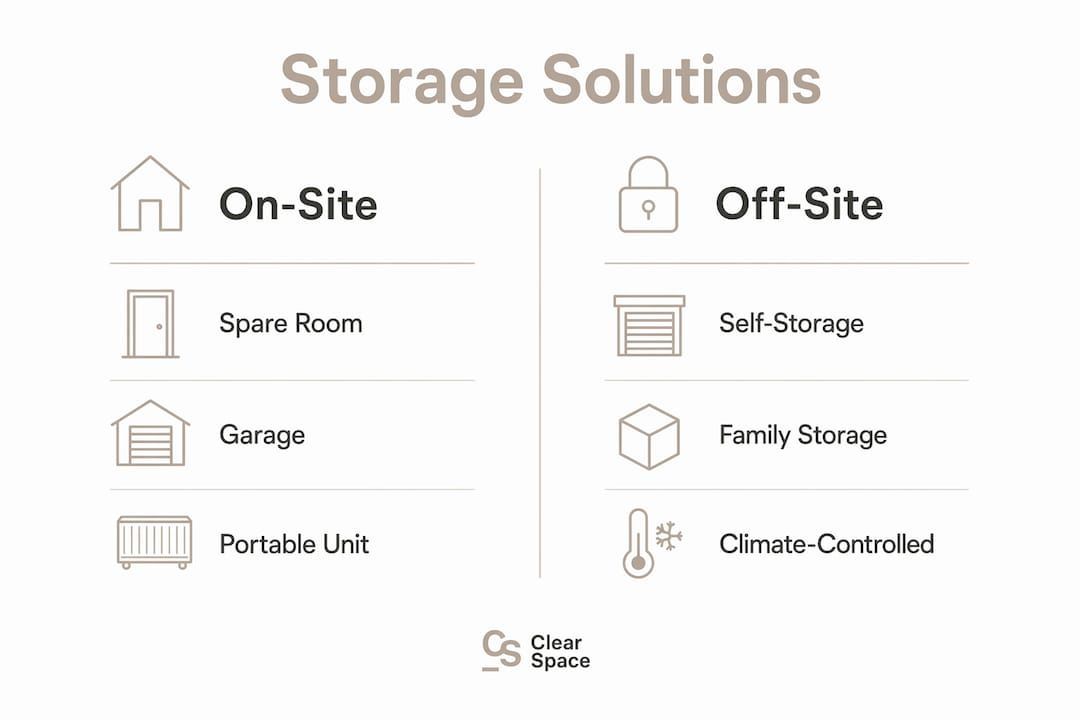
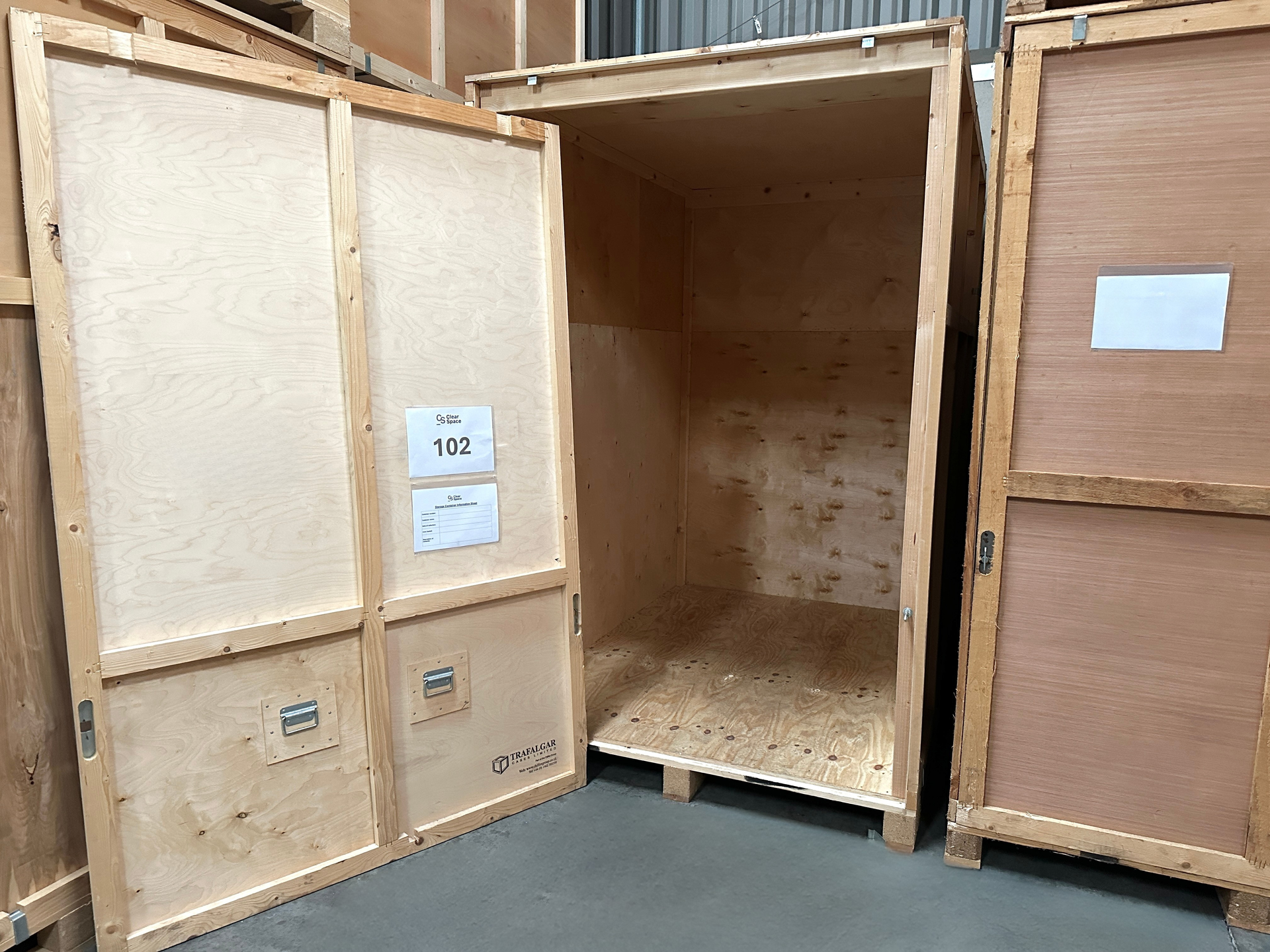
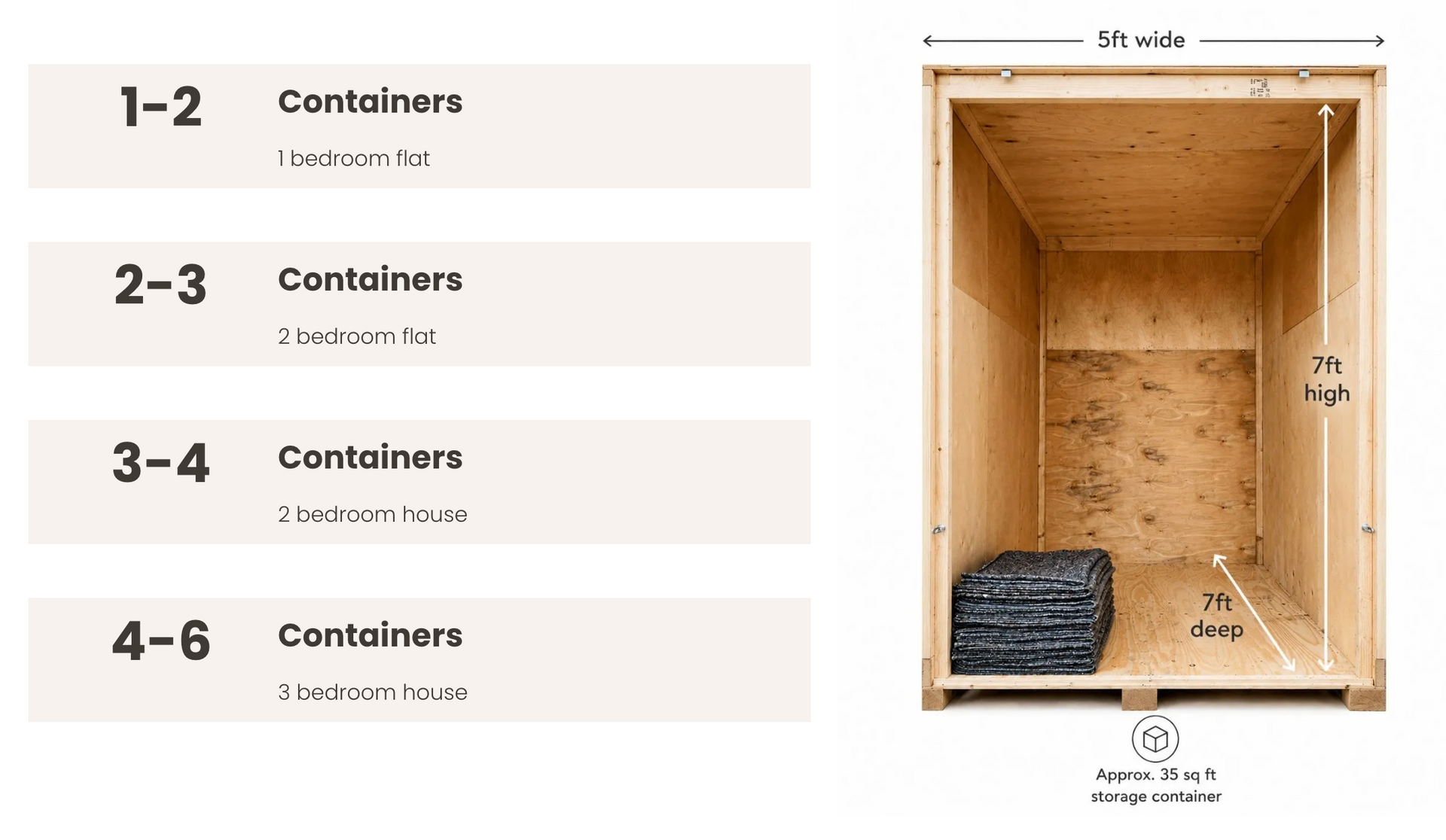
Off-site self-storage is the strongest option for anything valuable, fragile, or sensitive to temperature and humidity. Climate-controlled storage protects electronics, artwork, wooden furniture, and documents from the fluctuations that occur in garages and portable containers, particularly during longer projects running through winter or summer. For a kitchen renovation lasting six weeks, for example, storing your dining table, chairs, and crockery off-site removes them entirely from the risk zone.
Portable containers offer genuine convenience. A unit is delivered to your driveway, you fill it at your own pace, and it is collected when needed. The limitation is temperature control. A container sitting on a driveway in July will get hot, and that heat damages wood, vinyl records, and certain electronics. They also attract attention, which raises security concerns for high-value items.
On-site storage in a spare room or garage is tempting because it requires no transport. The problem is that dust penetrates covers, and physical separation from the work zone is the only reliable protection. A spare bedroom two doors down from a bathroom being retiled will still accumulate fine particulate dust within days. For low-value items or short projects, it is acceptable. For anything you care about, it is not.
Using a friend or family member's space works well for smaller items and short timescales. It costs nothing, but the logistics of collecting items mid-project can become complicated quickly. For a full home renovation, this approach rarely scales.
Pro Tip: When choosing between storage options, think about what you'll need to access regularly versus what can be sealed away for the duration. Splitting your belongings into two categories before you pack saves a great deal of frustration.
How does storage support dust control during renovations?
Dust control is one of the most technically demanding aspects of any renovation, and storage forms a critical layer within it. Dust control strategies use containment, negative pressure, and HEPA filtration to minimise the spread of fine particles through a property. Negative pressure of approximately 1 to 2 Pascals, combined with adequate air changes, reduces dust migration significantly. But these measures work best when the space is clear of furniture and soft furnishings that would otherwise trap and redistribute particles.
Upholstered items are particularly vulnerable. Sofas, curtains, mattresses, and rugs absorb fine dust deeply, and no amount of vacuuming fully removes it. Electronics are equally at risk. Fine silica dust from plaster or concrete work is abrasive and conductive, and it causes long-term damage to circuit boards and fans when it settles inside devices. Storing sensitive items in climate-controlled units removes them from the dust path entirely, which is the only fully reliable protection.
Storage placement must also consider dust control logistics. Placing boxed items in hallways near air returns or HVAC vents actively undermines containment efforts, because dust-laden air circulates through those routes. Even if items are boxed and sealed, positioning them away from dust paths reduces the risk of contamination.
Items most at risk from renovation dust:
- Upholstered furniture (sofas, armchairs, mattresses)
- Electronics (televisions, computers, audio equipment)
- Artwork and framed photographs
- Clothing and textiles stored in wardrobes
- Documents and books
Storage is a critical component of dust control, forming one layer within a broader protection strategy. It does not replace sealed barriers or negative pressure systems, but it removes the most vulnerable items from the equation entirely.
How to plan and organise your storage throughout renovation phases
Phased storage planning is the difference between a renovation that feels manageable and one that descends into chaos. The core principle is simple: match what you move out to what is being worked on, and keep daily essentials accessible at every stage.
-
Audit your belongings before the project starts. Walk through each room and categorise items as daily essentials, occasional use, or long-term storage. This prevents the common mistake of sealing everything away and then spending three weeks unable to find a phone charger.
-
Move items out in phases aligned to the renovation schedule. If the kitchen is being renovated first, clear it completely before work begins. Leave the living room intact until that phase starts. Phasing storage access aligned to renovation stages avoids the pitfall where everything is moved out at once and daily essentials become impossible to locate.
-
Designate a clean living zone. Keep essentials in one room sealed from construction dust and mess. This room becomes your functional base: a place to eat, work, and sleep without navigating building materials. Seal the door with draught excluders or temporary plastic sheeting.
-
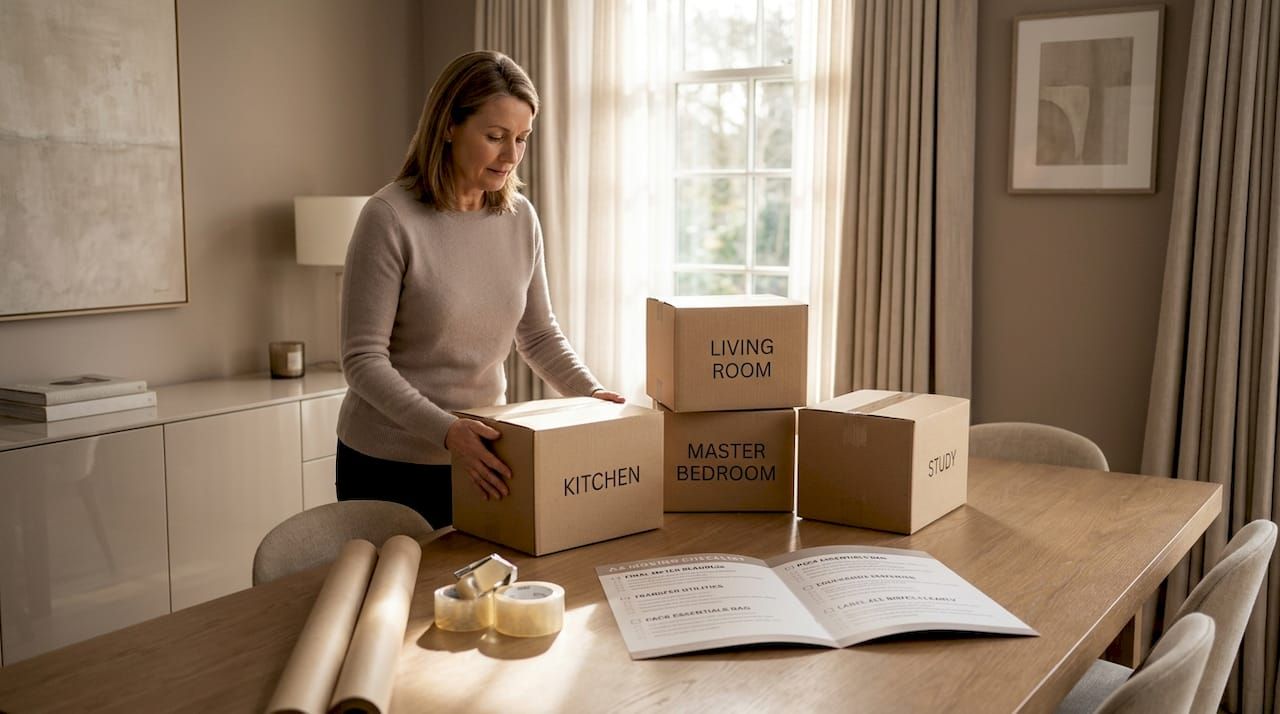
Label every box clearly and specifically. "Kitchen" is not enough. "Kitchen: everyday crockery, top priority" tells you exactly what is in the box and whether you need it urgently. Proper packing techniques using uniform strong boxes and careful wrapping of fragile items make unpacking significantly faster and reduce the risk of breakage.
-
Separate regular-access items from long-term storage. Items you will need weekly should be in a portable container or accessible self-storage unit. Items that can stay sealed for the duration of the project can go into deeper storage. Mixing the two leads to unnecessary trips and disruption.
-
Plan your return as carefully as your departure. Decide in advance which rooms will be ready first and bring items back in that order. Returning everything at once into a half-finished house creates the same chaos you were trying to avoid.
Storage choice matched to renovation phases improves access, reduces unnecessary moves, and alleviates homeowner stress considerably. The planning stage takes an hour or two. The benefit lasts the entire project.
Key takeaways
Effective storage planning is the foundation of a renovation that stays on schedule, protects your belongings, and keeps daily life functional throughout the project.
| Point | Details |
|---|---|
| Storage protects valuables | Off-site or climate-controlled storage is the only reliable protection from dust and physical damage. |
| Clear workspaces reduce costs | Removing belongings before contractors arrive speeds progress and lowers labour hours. |
| Phase your storage with the project | Move items out room by room as work progresses to keep essentials accessible at all times. |
| Dust penetrates covers | Sheeting furniture in place is rarely sufficient; physical separation is the effective standard. |
| Label and pack with unpacking in mind | Specific labelling and strong uniform boxes save significant time and stress when returning items. |
Why storage is the unsung hero of renovation success
I have seen a lot of renovations go sideways, and the cause is almost never the contractor or the materials. It is the lack of a plan for where everything goes while the work happens. Homeowners spend months choosing the right kitchen units or bathroom tiles, then spend the first week of the project frantically moving things into the garage and wondering why the builders seem to be working around obstacles rather than through them.
What strikes me most is how much damage happens to items that were never in the room being renovated. A television in the living room, two rooms away from a loft conversion, ends up coated in fine plaster dust because nobody moved it. A sofa that cost more than the renovation itself gets a paint splash on it because it was still in the hallway when the decorator arrived. These are not freak accidents. They are predictable outcomes of not treating storage as part of the project plan.
My honest advice is this: book your storage before you book your contractor. Decide where your belongings are going, how you will access what you need day to day, and which items need climate control. That decision, made early, changes the entire experience of living through a renovation. It is not glamorous planning. Nobody posts it on Instagram. But it is the thing that most consistently separates a smooth renovation from a stressful one.
— Ashlea
How Clearspaceherts can support your renovation storage needs
If you are planning a renovation in Hertfordshire and need somewhere secure for your belongings, Clearspaceherts offers secure storage solutions with flexible access and climate-controlled options suited to everything from a single room clearance to a full house move-out. Whether you need storage for six weeks or six months, the service is designed around the realities of renovation timelines.

Clearspaceherts also provides packing materials and supplies so you can pack properly before items go into storage, reducing the risk of damage and making unpacking far easier when the renovation is complete. For homeowners who need an extra pair of hands, moving home assistance is available across St Albans, Harpenden, Hemel Hempstead, Welwyn Garden City, Hatfield, and surrounding areas. Get in touch to discuss what your project needs.
FAQ
What is the role of storage in home renovation?
Storage protects belongings from dust, damage, and accidental breakage while clearing the workspace for contractors to work efficiently. It is a practical requirement that directly affects renovation speed, cost, and the condition of your possessions when the project ends.
How early should I arrange storage before a renovation starts?
Arranging storage and beginning to pack approximately one week before contractors arrive gives you time to pack carefully and move items without rushing. Last-minute packing increases the risk of damage and makes unpacking significantly harder.
Is covering furniture in place good enough during a renovation?
Covering furniture in place rarely provides adequate protection. Fine construction dust penetrates most covers, and physical separation from the work zone is the only reliable way to prevent dust damage to upholstered items and electronics.
Do I need climate-controlled storage for a renovation?
Climate-controlled storage is recommended for electronics, artwork, wooden furniture, and documents, particularly for projects lasting more than a few weeks. Temperature and humidity fluctuations in garages or portable containers can cause warping, corrosion, and other long-term damage.
How do I keep daily life manageable while renovating?
Designate one room as a clean living zone, sealed from construction dust, and keep your daily essentials there. Phase your storage to match the renovation schedule so that items from rooms not yet under construction remain accessible throughout the project.
Recommended