
Book packing help for moving home: expert guide
Book packing help for moving home: expert guide
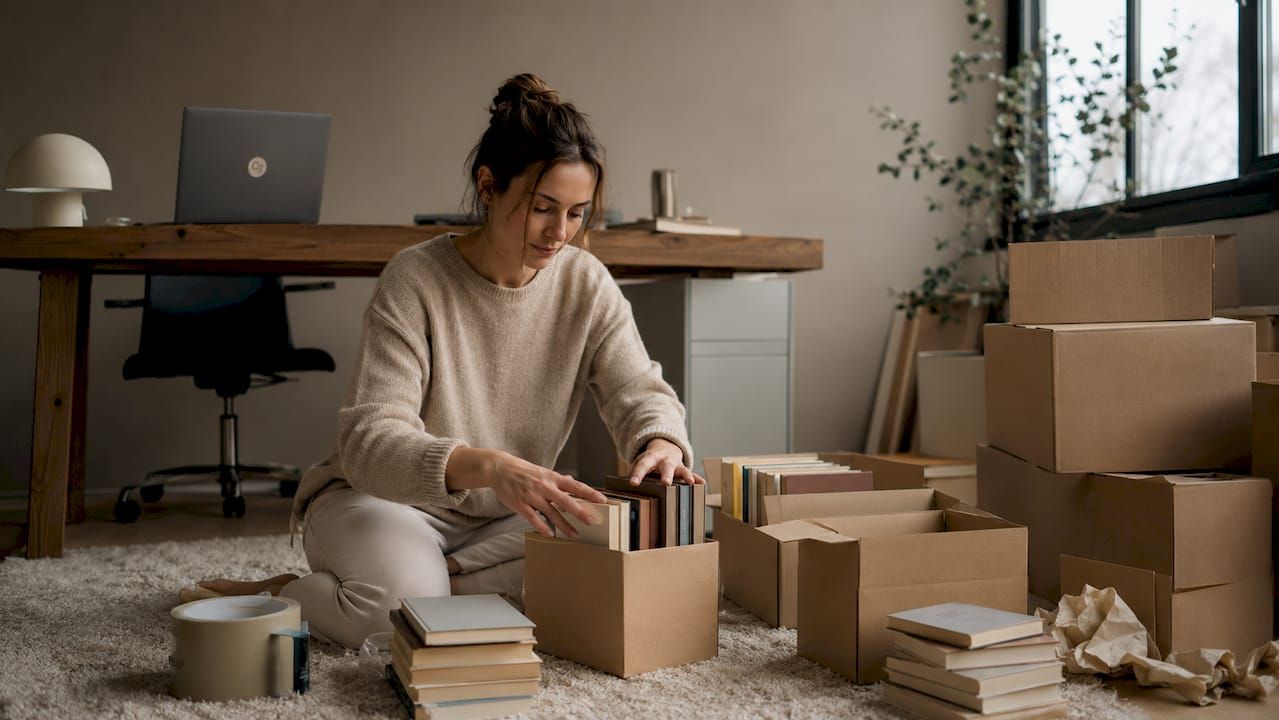
Book packing help for moving home means using small, double-walled boxes with a weight limit of 15–20 kg, packing books upright or flat depending on their size, and reinforcing every box before it is filled. Books are among the heaviest items in any home. Pack them incorrectly and you risk damaged spines, burst boxes, and back injuries on moving day. This guide covers the right materials, packing methods, and practical steps to protect your collection and make the move far easier.
What are the best boxes and packing materials for book packing when moving home?
The single most important decision in packing books for moving is box size. A small, double-walled box of around 1.5 cubic feet(approximately 30 cm x 30 cm x 40 cm) is the industry standard for books. That size keeps the total weight manageable and reduces the risk of the box failing under load.
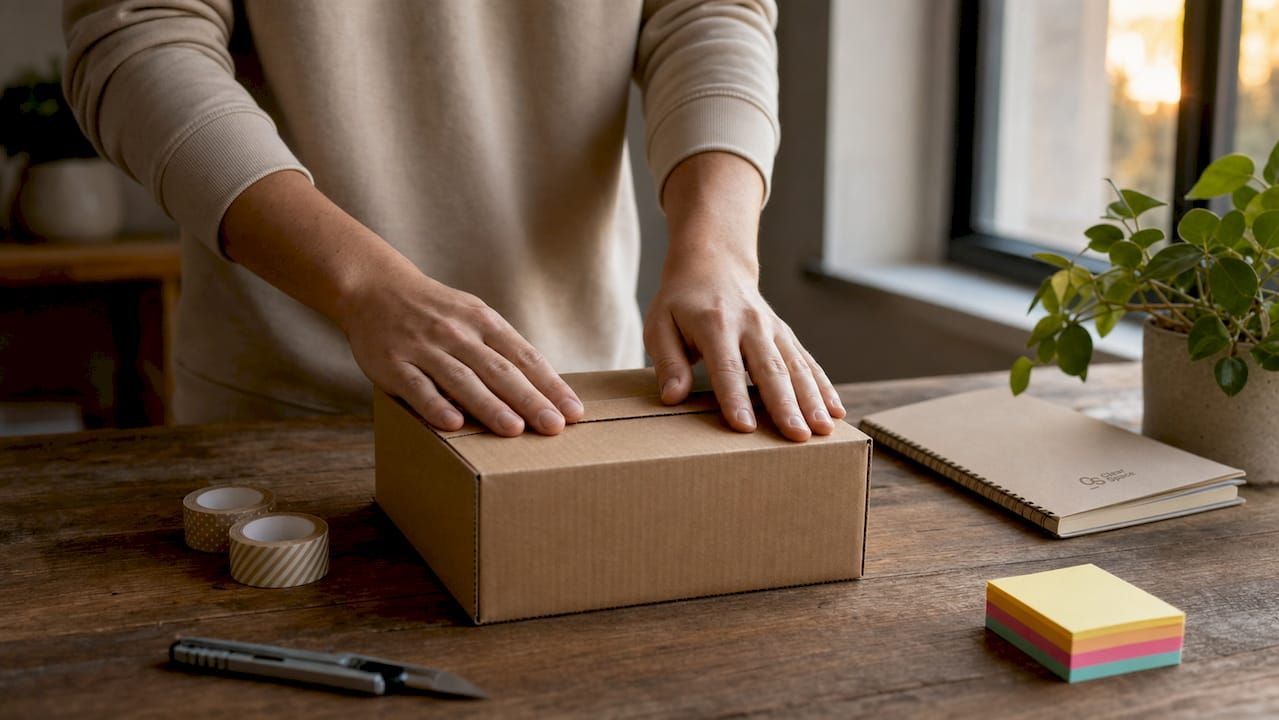
Professional removalists choose box size based on item density, not volume. Books are dense. A large box filled with paperbacks can easily exceed 30 kg, which is unsafe to lift and likely to split at the seams. Stick to smaller boxes and fill them fully to prevent internal movement.
Recommended packing materials
- Double-walled cardboard boxes (small, 1.5 cubic feet): the correct choice for books
- Heavy-duty packing tape : apply in a grid pattern across the bottom seams before filling
- Cushioning paper or bubble wrap : line the base and fill gaps around books
- Soft cloths or towels : use to fill voids without adding moisture risk
- Plastic tubs or large cardboard boxes : avoid these for books; they become too heavy or lack structural support
| Material | Purpose | Avoid If |
|---|---|---|
| Double-walled small box | Structural support for heavy books | You only have large boxes available |
| Grid-taped base | Prevents seam failure under weight | Box is already filled before taping |
| Cushioning paper | Protects covers and fills base layer | Damp or recycled newspaper is used |
| Soft cloths or towels | Fills voids without moisture risk | Paper stuffing is the only option |
| Bubble wrap | Protects delicate or valuable editions | Overused, as it adds bulk unnecessarily |
Pro Tip: Rolling suitcases and wheeled totes are genuinely useful for heavy book collections. They distribute weight evenly across the base and let you move books indoors without lifting. Use them for your heaviest hardbacks.
How should books of different sizes be packed to prevent damage?
Packing orientation is the most overlooked part of moving house book packing. Get it wrong and you will find warped spines and bent covers at the other end. The correct method depends entirely on the size of the book.
Small and medium books should be packed upright, just as they sit on a shelf. Large or oversized books must be packed flat, with the largest placed at the bottom of the stack. Never pack books with their spines facing upward or downward. That position places the full weight of the book on the binding, which causes deformation over even a short journey.
Step-by-step packing by book size
- Sort by size first. Separate your books into three groups: small paperbacks, standard hardbacks, and oversized or coffee-table books.
- Pack small and medium books upright. Stand them in the box as you would on a shelf, with spines facing the same direction.
- Alternate spine direction within each row. Alternating spine orientations keeps rows level and reduces lateral pressure between books.
- Pack large books flat. Place the heaviest and largest at the bottom, working up to lighter ones.
- Fill every gap. Use soft cloths or cushioning paper to prevent any movement inside the box.
- Never mix large flat books with upright books in the same box. The different heights create pressure points that damage covers.
Pro Tip: Dust and wipe down books before packing. Dirt and grit transferred between books during transit can scratch covers and damage page edges. A quick wipe takes seconds and saves you from finding scratched first editions at the other end.
What practical steps ensure safe book packing and minimise physical strain?
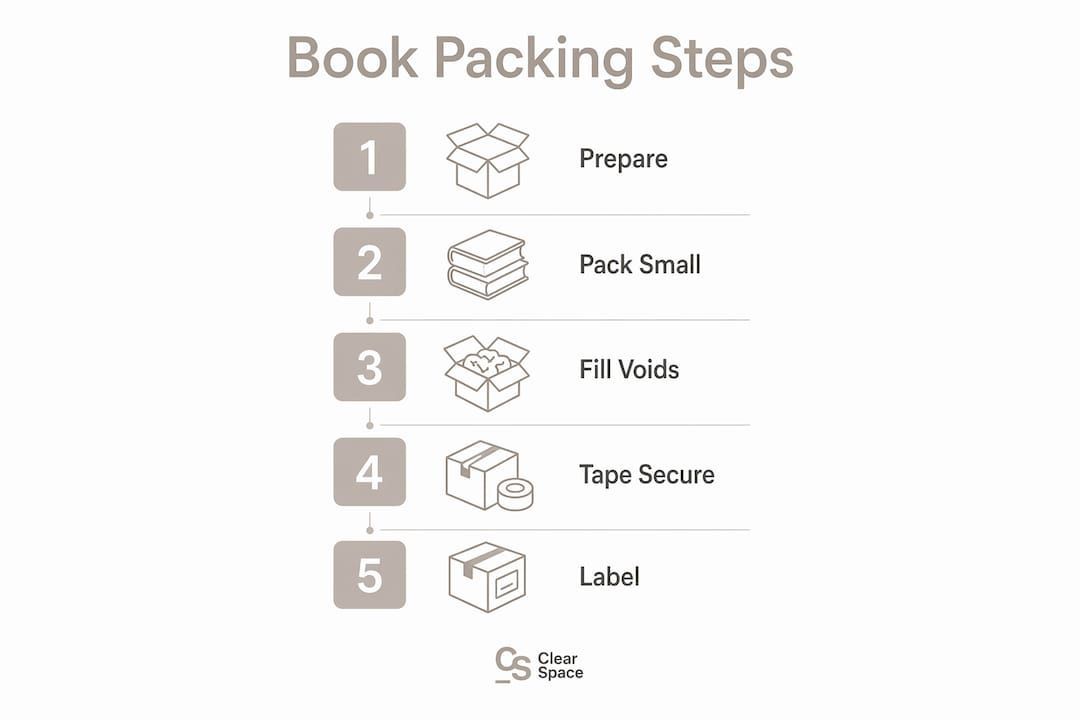
The best way to pack books starts before a single box is taped. Preparation reduces both the volume you move and the physical effort on the day. Follow these steps in order for the safest result.
A note on lifting: Even a correctly packed book box at 15–20 kg is heavy. Always bend at the knees, keep the box close to your body, and never twist while lifting. If a box feels too heavy to carry comfortably, remove books until it does. No book is worth a back injury.
The complete packing process
- Declutter before you pack. Reducing your collection by even 10–20% cuts both effort and moving costs. Donate, sell, or recycle books you have not opened in years. Check your pre-move checklist to see where decluttering fits into your wider timeline.
- Reinforce every box before filling. Apply packing tape in a grid pattern across the bottom seams and along the side edges. This is the single most effective way to prevent box failure under book weight.
- Line the base with cushioning material. A layer of bubble wrap or cushioning paper at the bottom absorbs impact during loading and transit.
- Arrange books by size and weight. Heaviest books go in first, at the bottom. Lighter paperbacks sit on top. This keeps the centre of gravity low and the box stable.
- Fill all voids with soft materials. Professional packers use towels and cloths rather than paper to fill gaps. Paper can hold moisture and transfer to book covers over time.
- Seal the box securely. Apply tape across the top seams in the same grid pattern used on the base.
- Label every box clearly. Write the contents, the destination room, and whether the box contains fragile items. Labelling by genre or room, as recommended by packing specialists, makes unpacking far faster and reduces the chance of boxes being placed in the wrong room.
What common mistakes should you avoid when packing books for a move?
Most book damage during a move comes from a small number of avoidable errors. Knowing what not to do is just as useful as knowing the correct method.
- Using large boxes. Large boxes become dangerously heavy with books inside. They are harder to carry, more likely to fail, and increase injury risk significantly.
- Packing with spines up or down. This places the full weight of the book on its binding and causes permanent deformation. Always pack upright or flat.
- Overpacking beyond the weight limit. Exceeding 15–20 kg per box risks both injury and box failure. If the box is hard to lift with two hands, it is too heavy.
- Skipping box reinforcement. An unreinforced box base will bow and split under book weight, especially when stacked. Always tape before filling.
- Leaving empty space inside boxes. Books shift during transit and collide with each other. Every gap must be filled.
- Packing without labels. Unlabelled boxes create chaos at the other end and increase the chance of books being left in the wrong room for weeks.
Pro Tip: Avoid using paper to fill voids in book boxes. Paper compresses quickly and can transfer moisture to covers. Use old T-shirts, tea towels, or small blankets instead. You are packing two things at once and protecting your books properly.
If you are unsure whether to move certain books at all, reading about what to put into storage first can help you decide what travels with you and what waits.
Key takeaways
The safest and most efficient approach to packing books for a move combines small double-walled boxes, correct packing orientation, and thorough reinforcement before any box is filled.
| Point | Details |
|---|---|
| Box size matters most | Use small, double-walled boxes of around 1.5 cubic feet to keep weight safe and manageable. |
| Respect the weight limit | Keep each box to 15–20 kg maximum to prevent box failure and reduce injury risk. |
| Orientation protects bindings | Pack small and medium books upright; pack large books flat with heaviest at the bottom. |
| Reinforce before you fill | Apply tape in a grid pattern across box bases and seams before adding any books. |
| Declutter first | Removing 10–20% of your collection before packing cuts both effort and moving costs. |
The part most people get wrong about packing books
I have helped a lot of people prepare for moves across Hertfordshire, and book packing is where I see the most consistent mistakes. Not because people do not care, but because books feel familiar. They sit on shelves for years without any fuss, so people assume they travel just as easily.
They do not. A shelf of books that looks modest can fill four or five boxes and weigh close to 80 kg in total. The moment someone grabs a large removal box and starts filling it, the problems begin. The box becomes impossible to lift safely, the base bows, and by the time it reaches the van, the spines are already under stress.
The advice I give every time is the same: buy more small boxes than you think you need, and pack fewer books in each one than feels right. You will end up with more boxes, but every single one will be manageable. That matters at 7am on moving day when you are already tired.
The other thing I always say is to declutter before you pack, not after. People often plan to sort their books at the new house. That rarely happens. The books go onto shelves and stay there for years. If you have not read something in three years and cannot name a reason you will read it in the next three, it does not need to travel with you.
If you have a large collection or simply want the job done properly without the stress, professional packing help is genuinely worth considering. It is not a luxury. It is a practical decision that protects your belongings and your back.
— Ashlea
How Clearspaceherts can help with your move
Moving home involves far more than packing boxes, and books are just one part of a much larger task. Clearspaceherts provides moving home help across Hertfordshire, including hands-on packing support using the correct materials and methods. Whether you need help packing a study full of books, organising a whole property, or simply want an extra pair of hands on the day, the team works around your schedule and your needs.

Based in Hertfordshire and working across St Albans, Harpenden, Hemel Hempstead, Welwyn Garden City, and Hatfield, Clearspaceherts combines packing support with decluttering and clearance services so you can prepare your property properly before moving day. If you are not sure where to start, get in touch for a straightforward conversation about what would actually help.
FAQ
What is the best box size for packing books when moving?
A small, double-walled cardboard box of around 1.5 cubic feet (30 cm x 30 cm x 40 cm) is the recommended size for moving books. This keeps the total weight within a safe and manageable range.
How heavy should a box of books be?
The maximum safe weight for a box of books is 15–20 kg. Beyond that, the risk of box failure and personal injury increases significantly.
Should books be packed upright or flat?
Small and medium books should be packed upright, as they sit on a shelf. Large or oversized books must be packed flat, with the heaviest placed at the bottom of the stack.
How do i stop books from getting damaged in transit?
Reinforce box bases with grid-pattern tape before filling, fill all voids with soft cloths or towels, and alternate spine direction within each row to prevent leaning and pressure damage.
Is it worth decluttering books before a move?
Decluttering before packing is strongly recommended. Reducing your collection by even 10–20% cuts both the physical effort of moving and the overall cost, particularly for long-distance relocations.