
What is a furniture removal? a homeowner's guide
What is a furniture removal? a homeowner's guide
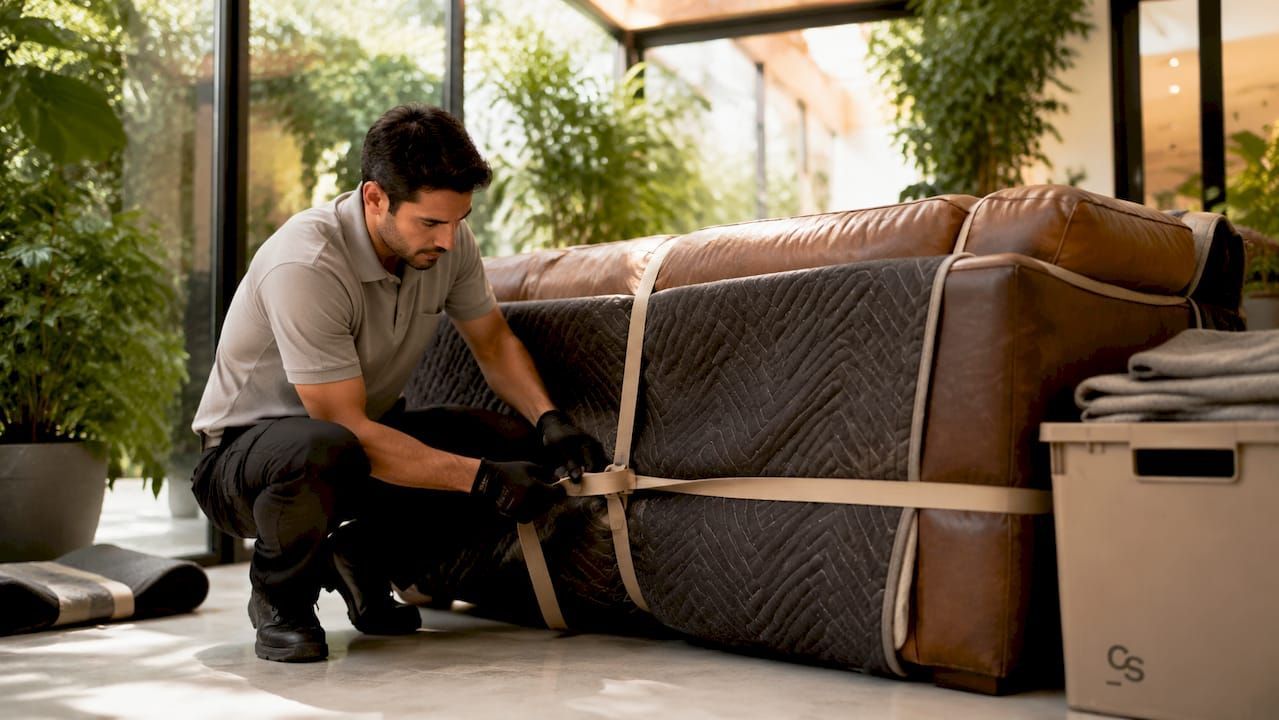
Furniture removal is defined as the professional, organised service of relocating furniture safely from one property to another, using protective wrapping, planning, secure loading, and where needed, disassembly and reassembly. The industry term is "furniture removals," and it covers far more than simply carrying a sofa out of a front door. A full removal service includes protective handling techniques such as moving blankets and bubble wrap, lifting equipment for heavy items, and responsible disposal or recycling of unwanted pieces. Whether you are moving home in Hertfordshire or clearing a rental property, understanding what is a furniture removal helps you plan properly and avoid costly mistakes.
What does the furniture removal process involve?
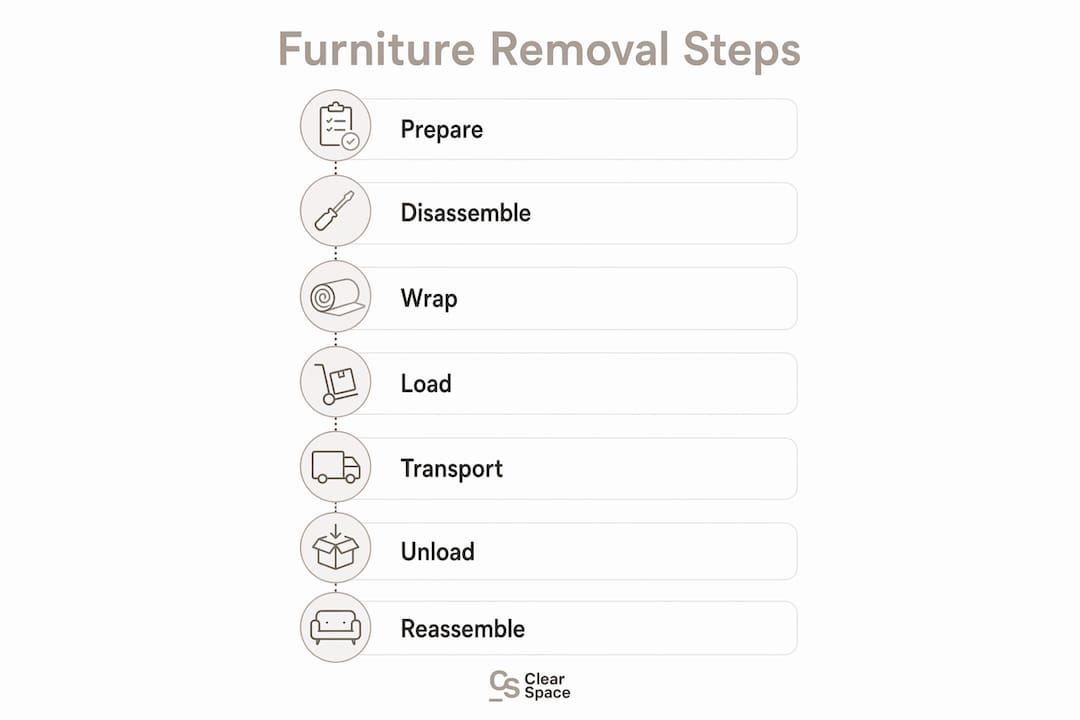
The furniture removal process follows a clear sequence, and knowing each stage helps you prepare with confidence. Standard removal services follow a five-step process from initial quote through to responsible sorting for reuse or recycling. Many providers also offer same-day or next-day availability, which matters when timelines are tight.
Here is how a typical furniture removal unfolds:
- Quote request. You provide a list of items or photographs so the removal company can assess volume, access, and any specialist requirements.
- Scheduling and confirmation. A date is agreed, and the team confirms access details, parking, and any building restrictions such as lift bookings in flats.
- Protective wrapping and packing. Furniture is wrapped in moving blankets, bubble wrap, or stretch film before it leaves the room. This protects both the item and your walls.
- Lifting, loading, and transport. Trained staff use proper lifting techniques and equipment to move items safely onto the vehicle. Bulky pieces are secured to prevent shifting in transit.
- Unloading, placement, and reassembly. At the destination, items are placed in the correct rooms and reassembled where required.
- Disposal or recycling. Unwanted furniture is sorted for donation, recycling, or responsible disposal, rather than sent straight to landfill.
Pro Tip: Take photographs of furniture before any disassembly begins. These act as a reference during reassembly and save a significant amount of time, particularly for items with multiple components such as wardrobes or bed frames.
How should you prepare furniture for removal?
Good preparation reduces the risk of damage, speeds up loading, and makes the whole day run more smoothly. The steps below apply whether you are moving a single bedroom or clearing an entire house.
- Measure everything first. Measure your furniture and all access points, including doorways, staircases, and any lifts. A three-seater sofa that fits through a wide hallway may not clear a narrow Victorian stairwell.
- Empty all furniture completely. Remove drawers, shelves, and any contents. A chest of drawers with clothes still inside is far heavier than it looks and risks damage to the runners.
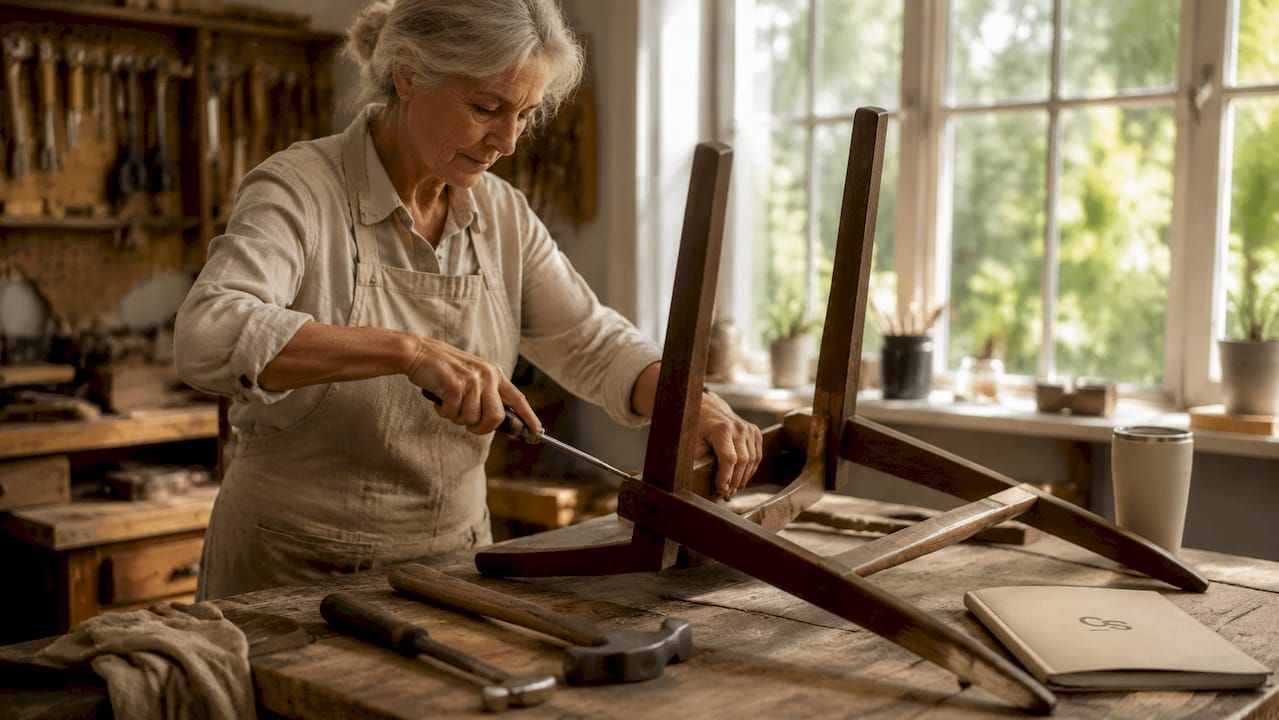
- Identify what needs disassembly. Not every piece should come apart. Some antiques and engineered wood pieces can weaken permanently if disassembled incorrectly. Flat-pack wardrobes and bed frames are usually fine to take apart; solid hardwood antiques are often better moved intact.
- Bag and label all hardware. Losing screws and fittings during a move is one of the most common frustrations. Place bolts, screws, and fixings into labelled plastic bags and tape each bag directly to the piece it belongs to.
- Clear pathways through the property. Remove rugs, ornaments, and anything else that could cause a trip hazard. Movers carrying a heavy wardrobe cannot see the floor clearly.
- Protect furniture surfaces. Wrap glass panels, mirrored doors, and polished tops in bubble wrap before the team arrives. Do not leave this step to chance on the day.
Pro Tip: Avoid over-disassembling furniture in an attempt to be helpful. Removing legs from a solid oak dining table is sensible; attempting to separate the frame of a fitted bookcase rarely is. When in doubt, ask your removal team before the move day, not during it.
Review your moving day checklist well in advance to make sure preparation covers more than just the furniture itself.
What challenges come up during furniture removal?
Even well-planned moves hit obstacles. Knowing the most common ones in advance means you can address them before they cause delays or damage.
Narrow doorways and tight stairwells
Moving large furniture through narrow stairwells without proper technique or equipment is one of the leading causes of property damage and personal injury during removals. Professionals use pivot points, furniture sliders, and measured angles to manoeuvre bulky items through tight spaces without scraping walls or door frames. If you are attempting this yourself, the risk of a costly mistake rises sharply without the right tools.
Deciding whether to disassemble
Forcing disassembly on complex pieces can damage joints and reduce furniture longevity. Older or antique furniture is particularly vulnerable. A professional team recognises these nuances and adjusts their approach accordingly, rather than applying a one-size-fits-all method.
DIY versus professional removal: a direct comparison
| Factor | DIY Removal | Professional Removal |
|---|---|---|
| Insurance cover | None unless you arrange it separately | Included as standard with reputable firms |
| Equipment | Basic or improvised | Specialist lifting gear, trolleys, straps |
| Injury risk | High, particularly on stairs and with heavy items | Significantly reduced with trained staff |
| Damage to property | Common without proper technique | Minimised through experience and protective materials |
| Disposal of unwanted items | Your responsibility to arrange | Often included or available as an add-on |
| Time and effort | High, especially for large properties | Efficient, with a team working to a schedule |
DIY furniture moving risks include injury and property damage due to lack of proper equipment and technique. That risk is not just physical. Damage to a rented property can result in deposit deductions that far exceed the cost of hiring professionals in the first place.
What are the benefits of professional furniture removal services?
The core benefit of hiring professional furniture removal services is accountability. When you hire professionals , you are paying for insurance protection and damage coverage that a DIY move simply cannot provide. Most homeowners do not fully appreciate this until something goes wrong.
Beyond insurance, the practical advantages are considerable:
- Specialist equipment. Professional teams bring trolleys, furniture sliders, stair-climbing equipment, and vehicle straps. These are not items most households own.
- Trained handling. Staff know how to lift correctly, how to angle furniture through tight spaces, and how to secure loads in transit.
- Time savings. A two-person professional team will typically complete a job in a fraction of the time it takes an untrained household to manage the same task.
- Disposal and recycling included. Many removal services handle unwanted furniture responsibly, sorting items for donation or recycling rather than leaving you to arrange a council collection.
- Reduced physical strain. Back injuries from lifting heavy furniture are genuinely common. Removing that risk entirely is worth the cost for most people.
- Flexible scheduling. Reputable providers offer same-day or next-day availability, which matters when a tenancy end date or completion day leaves little room for delay.
Understanding why professional packing and handling matters goes beyond the move itself. It protects your belongings, your property, and your health throughout the process.
Key takeaways
Professional furniture removal is the safest and most cost-effective approach for homeowners and renters, combining trained handling, insurance cover, and responsible disposal into one managed service.
| Point | Details |
|---|---|
| Furniture removal defined | A professional service involving protective wrapping, planned loading, transport, and optional disassembly or disposal. |
| Preparation reduces risk | Measure access points, empty furniture, bag hardware, and clear pathways before the team arrives. |
| Not all furniture should be disassembled | Antiques and engineered wood pieces can weaken permanently if taken apart without expertise. |
| DIY carries real costs | Lack of equipment and insurance means damage or injury costs can exceed professional fees. |
| Professionals provide accountability | Insurance cover, specialist equipment, and trained staff are standard with reputable removal services. |
What i have learnt from watching furniture removals go wrong
The moves that go smoothly share one thing in common: the homeowner prepared before the team arrived, not during. The ones that go badly almost always involve a sofa that was never measured against the stairwell, a wardrobe that someone tried to disassemble on the day without the right tools, or a heavy item that two people attempted to carry down three flights of stairs without a trolley.
The disassembly question is the one I see mishandled most often. People assume that taking furniture apart always makes it easier to move. Sometimes it does. But a solid pine bookcase that has been assembled for fifteen years may not survive being dismantled and rebuilt. The joints loosen, the dowels split, and what was a sturdy piece of furniture becomes something that wobbles. Professionals know which pieces to leave intact, and that knowledge comes from experience, not guesswork.
The other thing worth saying plainly: the cost of a professional removal is almost always less than the cost of repairing a damaged wall, replacing a broken piece of furniture, or losing a tenancy deposit because a door frame was scraped during a DIY move. Insurance is not a luxury in furniture removals. It is the point.
If you are moving in Hertfordshire and weighing up whether to manage furniture removal yourself, my honest view is that the physical and financial risks of going it alone are routinely underestimated. The common challenges when moving house rarely announce themselves in advance.
— Ashlea
How Clearspaceherts can help with your furniture removal
Clearspaceherts provides practical moving and clearance support across Hertfordshire, covering St Albans, Harpenden, Hemel Hempstead, Welwyn Garden City, Hatfield, and surrounding areas. Whether you need help moving furniture to a new home, clearing a rental property between tenancies, or managing a full house clearance in Hertfordshire , the team handles the heavy lifting so you do not have to.
As a local, family-run business, Clearspaceherts combines furniture removal with related services including end of tenancy cleaning, packing support, and property clearance, so you are not coordinating multiple companies on a stressful day. Landlords and letting agents can also access landlord clearance and cleaning services tailored to preparing properties between tenancies. Get in touch to discuss what your move or clearance involves and receive straightforward, practical advice on the best approach.
FAQ
What is included in a furniture removal service?
A furniture removal service typically includes protective wrapping, safe loading and transport, unloading at the destination, and optional disassembly, reassembly, and disposal of unwanted items.
How far in advance should i book furniture removal?
Booking at least one to two weeks ahead is advisable for planned moves, though many providers offer same-day or next-day availability for urgent clearances.
Should i disassemble furniture before the removal team arrives?
Only disassemble items that are straightforward to rebuild, such as flat-pack bed frames. Antiques and engineered wood furniture can weaken permanently if taken apart incorrectly, so check with your removal team first.
Is furniture removal the same as house clearance?
Not exactly. Furniture removal focuses on relocating specific items to a new address, while house clearance involves removing all contents from a property, usually for disposal, donation, or recycling.
Do professional furniture removal services include insurance?
Reputable professional removal services include insurance cover as standard, protecting you against damage to your furniture or property during the move. DIY moves carry no such protection unless you arrange separate cover.